Core Modules
Module 1:
Foundations of Conflict Transformation
This foundational module introduces the core principles of sustainable peacebuilding. It moves beyond simple ceasefires to focus on the long-term healing of societal relationships, justice, and mercy. Participants will explore proven frameworks for reconciliation and learn to view conflict as an opportunity for constructive change.
What you will learn:
- Theories of conflict, violence, and peace.
- Lederach's Sustainable Reconciliation Model (Truth, Justice, Mercy, Peace).
- Core concepts of relationship-building, empathy, and long-term social healing.
- Distinguishing between conflict resolution, management, and transformation.
Module 2:
Conflict Analysis & Mapping
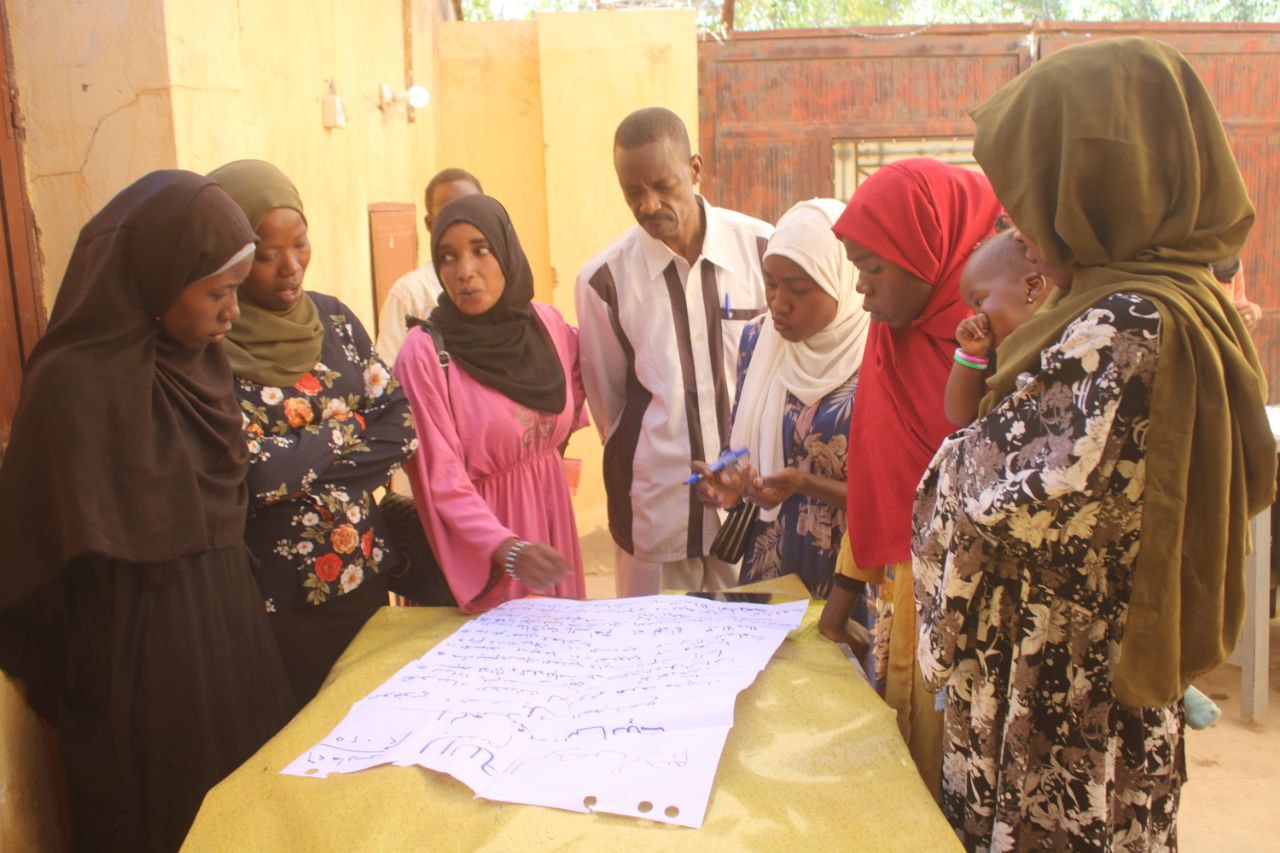
Before intervening, we must understand. This module provides professional tools to dissect complex conflict environments. You will learn to identify root causes versus immediate triggers, map the relationships between different actors (including spoilers and connectors), and analyze the power dynamics that sustain the conflict.
What you will learn:
- Tools for visual conflict mapping (e.g., Actor, Issue, and Power Mapping).
- The "Conflict Triangle" (Attitudes, Behaviors, Contradictions).
- Identifying root causes, proximate causes, and triggers.
- Stakeholder analysis: identifying interests, positions, and needs.
Module 3:
Conflict-Sensitive Programming (Do No Harm)
Well-intentioned interventions can inadvertently cause harm. This module introduces the critical "Do No Harm" framework, ensuring all peacebuilding initiatives are conflict-sensitive. You will learn to analyze how your actions interact with the local context and design programs that are adaptive, locally owned, and mitigate unintended negative consequences.
What you will learn:
- The CDA "Do No Harm" framework.
- Identifying "Dividers" (sources of tension) and "Connectors" (sources of peace).
- Analyzing how resources and interventions interact with conflict dynamics.
- Principles of adaptive management for peace programs.
Module 4:
Community-Based Reconciliation
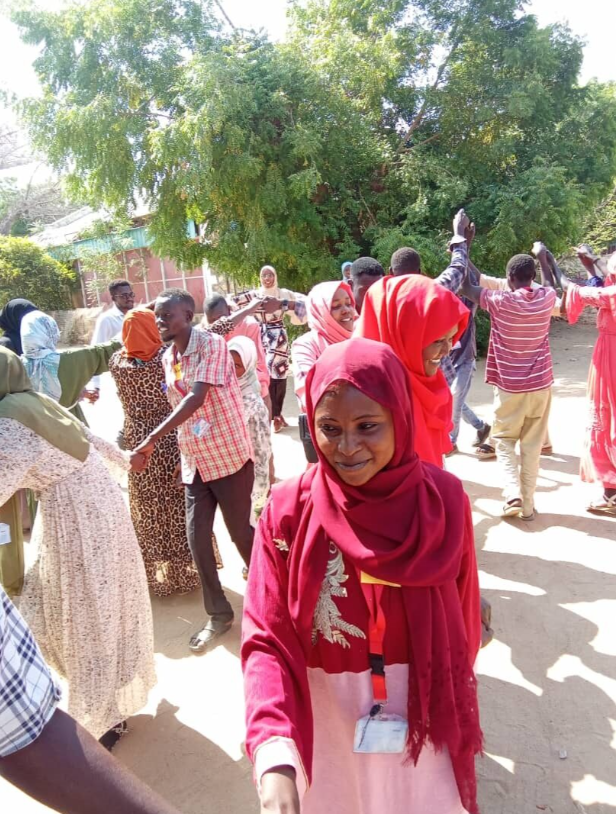
Peace is built at the local level. This module provides a practical toolkit for facilitating reconciliation processes within communities. You will gain methodologies for rebuilding trust, promoting civic tolerance, and designing tangible activities that foster social cohesion between fragmented groups.
What you will learn:
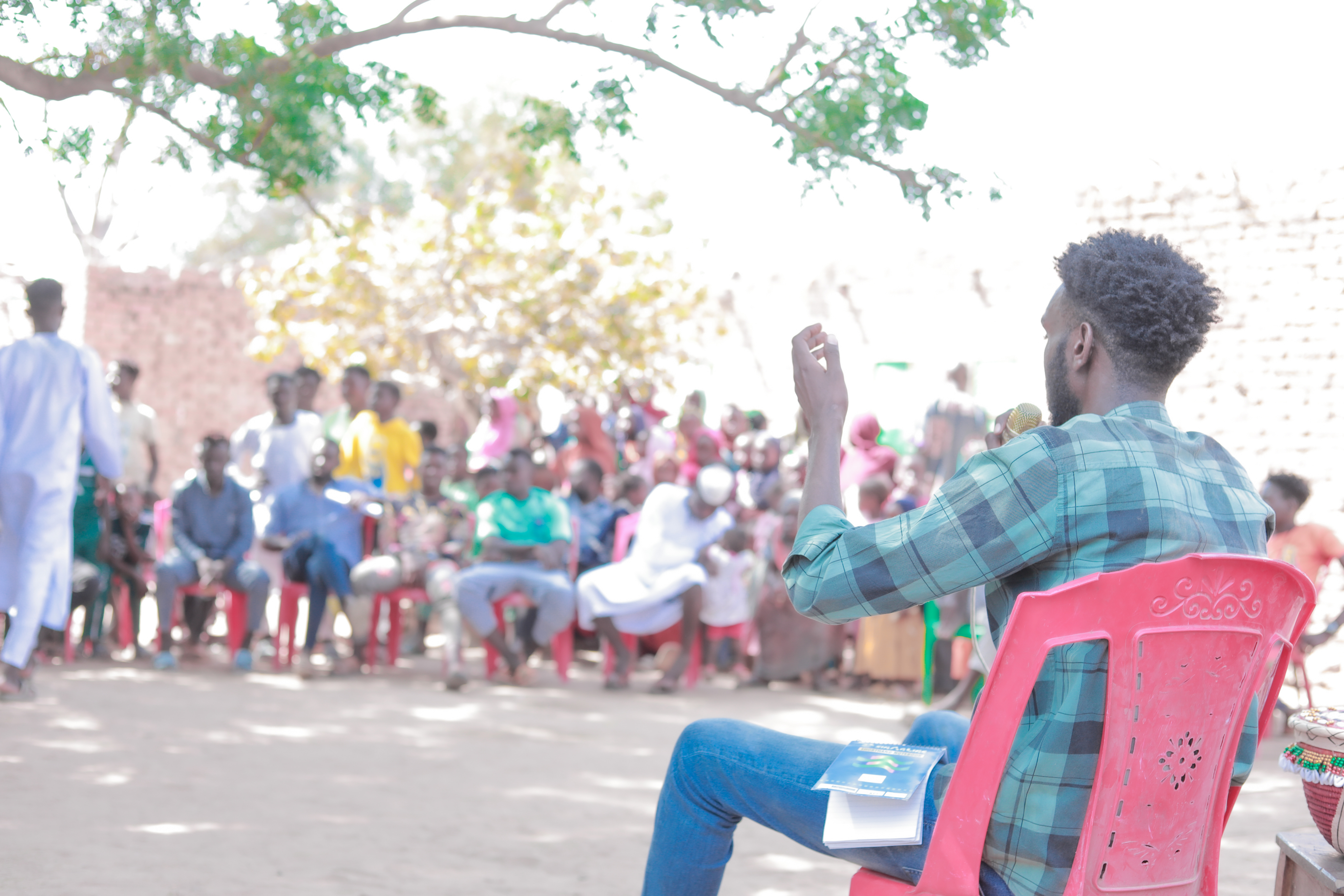
- Practical tools for facilitating community dialogues.
- Methodologies for relationship-building and trust-building exercises.
- Promoting social cohesion and civic tolerance.
- Designing and implementing local peace and reconciliation initiatives.
Module 5:
Digital Resilience & Counter-Disinformation
In today's conflicts, information is a weapon. This module addresses the urgent need for digital resilience. You will learn to identify and analyze hate speech, disinformation, and online polarization tactics. The focus is on developing practical strategies to prevent their spread and mitigate their harmful impact on community cohesion.
What you will learn:
- Identifying and analyzing hate speech and disinformation campaigns.
- Strategies for digital literacy and critical thinking.
- Developing positive counter-narratives and peace-oriented messaging.
- Promoting online safety and "digital civility" in community spaces.
Module 6:
Trauma-Informed Engagement
Conflict leaves deep psychological wounds. This module emphasizes the importance of a trauma-informed approach in all peacebuilding work. You will learn how to create safe, supportive, and inclusive spaces that promote emotional healing, build resilience, and ensure that community members can participate without risk of re-traumatization.
What you will learn:
- The "Four R's" of a trauma-informed approach (Realization, Recognition, Response, Resisting Re-traumatization).
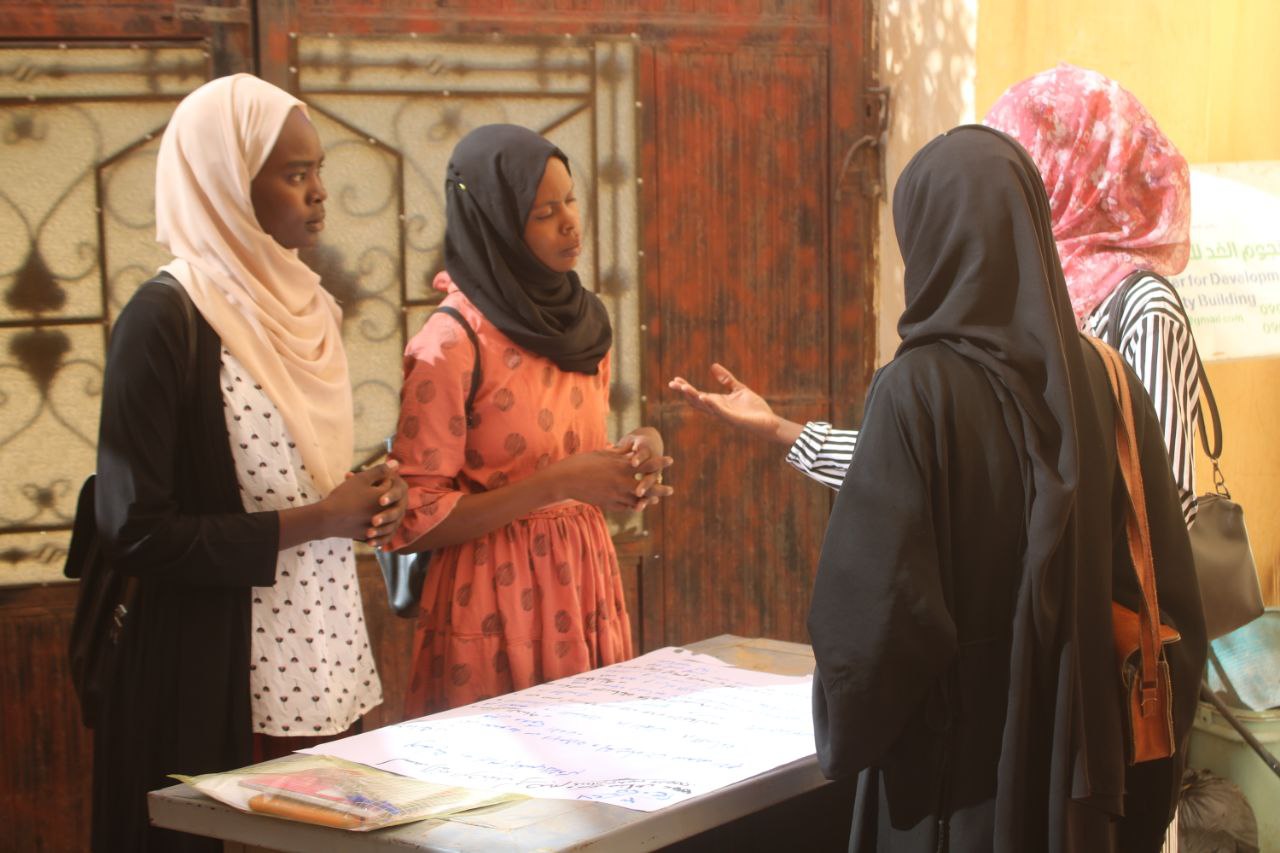
- Techniques for creating "safe spaces" for dialogue.
- Active listening, empathetic communication, and psychosocial first aid.
- Building community resilience and psychosocial support networks.
Module 7:
Effective Facilitation (Train-the-Trainer)
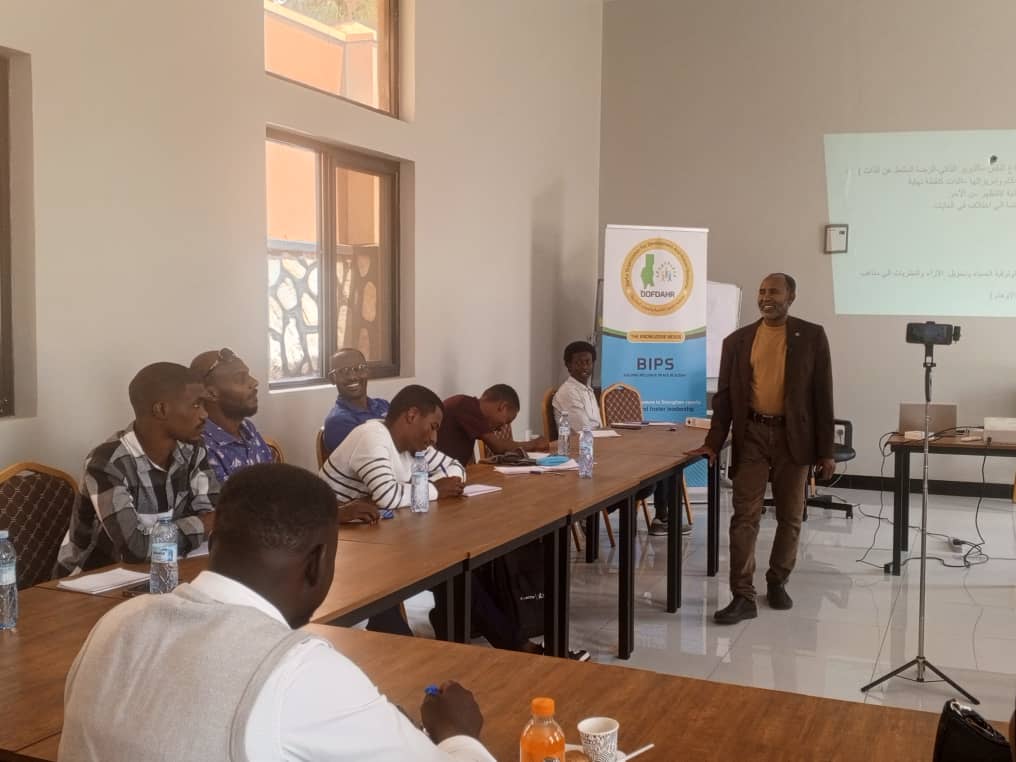
As a BIPS trainer, your most important role is to empower others. This "Train-the-Trainer" (ToT) module builds your skills as an educator and facilitator. You will master interactive, adult-learning methodologies to ensure you can effectively teach, train, and cascade this curriculum to community leaders and CSOs.
What you will learn:
- Principles of adult learning and pedagogy.
- Interactive facilitation techniques (storytelling, simulations, visual dialogue, role-playing).
- Managing group dynamics and navigating difficult conversations.
- Giving and receiving constructive feedback for skill building.
Module 8:
Monitoring, Reflection & Adaptive Learning
How do we know if our work is effective? This final module focuses on creating a robust system for learning and adaptation. You will learn how to monitor the impact of your peace initiatives, gather community feedback, and use that information to reflect on and adapt your strategies in real-time.
What you will learn:
- Developing simple monitoring tools (e.g., "Most Significant Change" stories).
- Facilitating "After-Action Reviews" and structured reflection sessions.
- Creating feedback loops for continuous improvement.
- Integrating adaptive learning into the project cycle.